
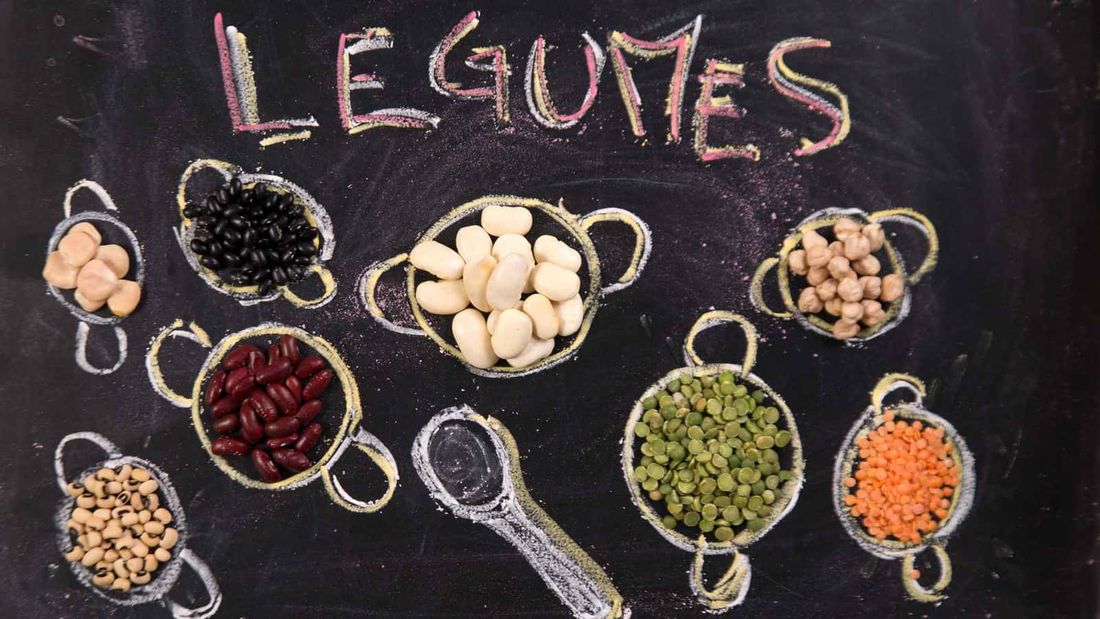
Although lentils, chickpeas, and beans are staples on many dining tables, some people consistently avoid them for fear of gas and bloating, without realizing that these foods provide a range of nutrients that support gut health and may help reduce chronic inflammation, according to experts.
Spanish nutritionist Ana Luzón explains that legumes are among the most notable foods with anti-inflammatory properties. She points out that the belief that bloating after eating legumes indicates inflammation in the body stems from confusing two different phenomena.
Luzón explains that gas is generally produced when gut bacteria ferment fiber, a natural process that reflects the activity of beneficial microbes and does not necessarily indicate inflammation in the body's tissues.
One of the most important benefits of legumes lies in their content of fermentable fiber and resistant starch, which gut bacteria use to produce short-chain fatty acids, particularly butyrate. This compound nourishes the cells lining the intestinal wall, helping support the gut barrier and regulate the immune response.
These foods also provide plant-based protein and minerals such as magnesium, zinc, and iron, along with polyphenols that have antioxidant properties. They are also rich in slowly absorbed carbohydrates, which help maintain stable blood sugar levels.
To reduce digestive discomfort, Luzón recommends introducing legumes gradually, starting with small portions, and trying mashed chickpeas or peeled red lentils. She also advises soaking legumes before cooking and adding cumin, fennel, or bay leaves.
The nutritionist emphasizes that a healthy diet does not depend on a single magical ingredient, but rather on a balanced overall lifestyle that combines proper nutrition, physical activity, and good sleep.
𝗦𝗼𝘂𝗿𝗰𝗲: 𝗘𝗿𝗲𝗺 𝗡𝗲𝘄𝘀


