
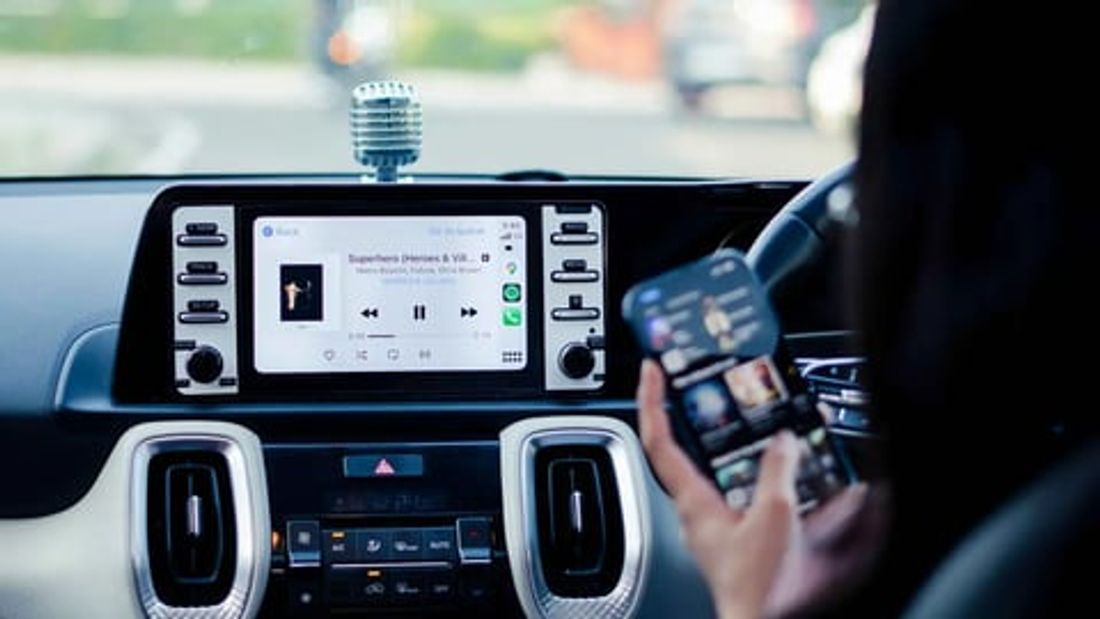
License plate recognition cameras are no longer limited to recording vehicle registration numbers and monitoring their movements. A new security technology is expanding the scope of tracking to include electronic devices carried by people inside their vehicles, raising growing concerns about privacy and the possibility of monitoring individuals without their knowledge.
Security and defense technology company Leonardo is developing a system known as Signal Trace, designed to operate alongside license plate recognition systems. It works by capturing electronic signals emitted by nearby devices, including smartphones, smartwatches, fitness trackers, GPS devices, and radio-frequency identification (RFID) tags.
The company says the system does not decrypt devices or access the contents of communications or personal data stored on them. However, it can detect electronic signals and link them to vehicle license plate information, when available. It can then analyze locations and timestamps to identify devices that repeatedly travel with a particular vehicle.
𝗔𝗻 𝗘𝗹𝗲𝗰𝘁𝗿𝗼𝗻𝗶𝗰 𝗙𝗶𝗻𝗴𝗲𝗿𝗽𝗿𝗶𝗻𝘁 𝗧𝗵𝗮𝘁 𝗜𝗱𝗲𝗻𝘁𝗶𝗳𝗶𝗲𝘀 𝗩𝗲𝗵𝗶𝗰𝗹𝗲𝘀
The concept relies on creating what the company describes as an "electronic fingerprint"—a collection of distinctive signals emitted by devices inside a vehicle.
Rather than simply identifying that a vehicle contains an iPhone, the system can detect a more specific combination of devices, including the phone model, the vehicle's system, wireless earbuds, a smartwatch, and tracking devices carried inside it.
Leonardo explains that the combination of these devices within a single vehicle forms a distinctive profile. Algorithms can use this combination to recognize the vehicle and track the appearance of the same fingerprint at different locations and times, even when the license plate cannot be clearly read.
𝗛𝗼𝘄 𝗖𝗮𝗻 𝗧𝗵𝗶𝘀 𝗗𝗮𝘁𝗮 𝗕𝗲 𝗨𝘀𝗲𝗱 𝗶𝗻 𝗜𝗻𝘃𝗲𝘀𝘁𝗶𝗴𝗮𝘁𝗶𝗼𝗻𝘀?
According to the company, the electronic fingerprints detected by the system can be retained and made available to investigators when conducting targeted searches.
For example, if an electronic fingerprint appears near a crime scene and is later detected again at locations connected to an investigation, the information could help investigators develop additional leads about the movements of vehicles and the devices associated with them.
The potential significance of this technology is underscored by a study published in the journal Scientific Reports. The study examined mobile phone location data collected over 15 months from approximately 1.5 million people. It concluded that just four spatiotemporal data points could be enough to identify 95% of individuals, illustrating how movement patterns can reveal people's identities.
𝗖𝗼𝗻𝗰𝗲𝗿𝗻𝘀 𝗔𝗯𝗼𝘂𝘁 𝗙𝗮𝗹𝘀𝗲𝗹𝘆 𝗔𝗰𝗰𝘂𝘀𝗶𝗻𝗴 𝗜𝗻𝗻𝗼𝗰𝗲𝗻𝘁 𝗣𝗲𝗼𝗽𝗹𝗲
However, the system raises legal and security questions, particularly because detecting an electronic device inside a vehicle does not necessarily establish who was using or carrying it.
A phone may be borrowed, left inside someone else's vehicle, or even stolen. This means that linking an electronic fingerprint to a particular vehicle does not constitute conclusive evidence that the device's owner was present or involved in criminal activity.
These concerns are heightened by the ongoing controversy surrounding license plate recognition cameras, particularly given that some police officers in the United States have been dismissed for misusing data collected by these systems.
Leonardo says that the data remains the property of the law enforcement agencies collecting it and that the company itself cannot access it. Nevertheless, the real challenge will lie in how this information is used and how its accuracy is verified, so that electronic fingerprints do not become grounds for suspecting people simply because their devices were detected near a location or vehicle involved in an investigation.
𝗦𝗼𝘂𝗿𝗰𝗲: 𝗘𝗿𝗲𝗺 𝗡𝗲𝘄𝘀


