
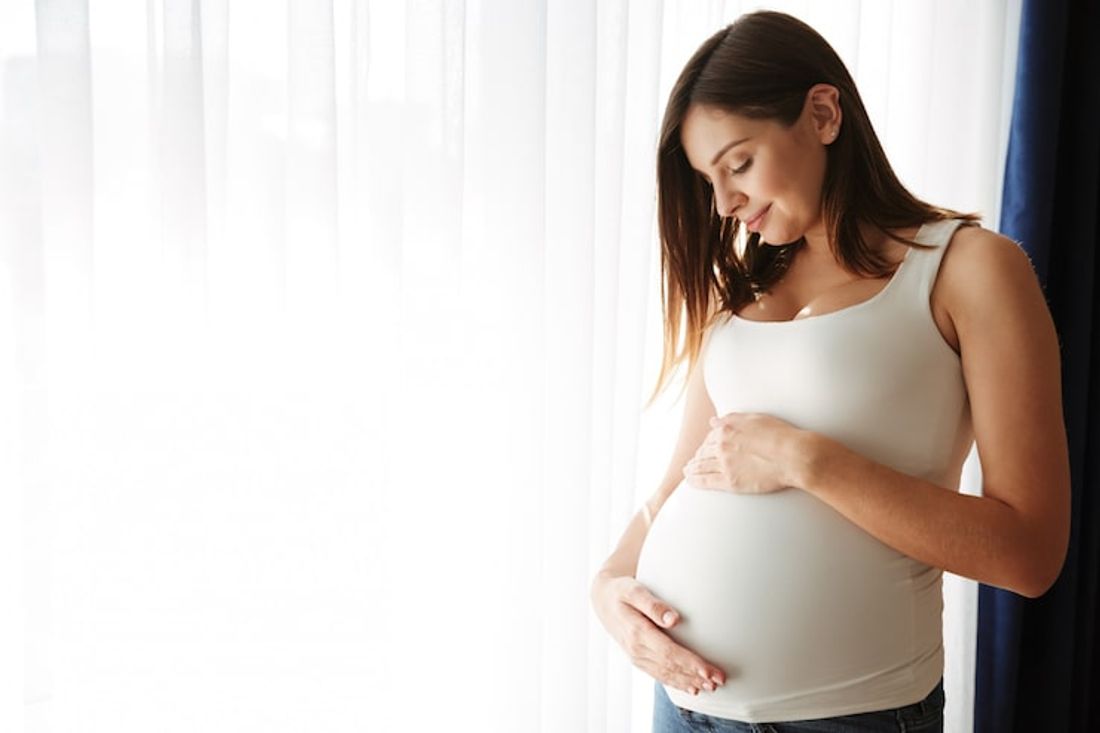
Falling may be an ordinary occurrence in everyday life, but it takes on greater significance during pregnancy. According to studies, approximately one in four pregnant women experiences a fall at some point during pregnancy, raising legitimate concerns about the safety of both mother and baby, the warning signs that require medical attention, and when a fall is unlikely to cause concern.
𝗪𝗵𝘆 𝗗𝗼𝗲𝘀 𝘁𝗵𝗲 𝗥𝗶𝘀𝗸 𝗼𝗳 𝗙𝗮𝗹𝗹𝗶𝗻𝗴 𝗜𝗻𝗰𝗿𝗲𝗮𝘀𝗲 𝗗𝘂𝗿𝗶𝗻𝗴 𝗣𝗿𝗲𝗴𝗻𝗮𝗻𝗰𝘆?
Although the average age at which women give birth is around 31, a stage of life generally associated with alertness and good physical mobility, the physical and hormonal changes that occur during pregnancy can increase the likelihood of losing balance.
One of the main factors is gradual weight gain. Pregnant women are generally advised to gain between 9 and 15 kilograms, which affects the body's centre of gravity.
The abdomen also grows as pregnancy progresses, reaching approximately navel level halfway through pregnancy and extending up toward the rib cage during the final weeks. This can restrict visibility and alter the way a woman moves.
In addition, blood pressure decreases in many pregnant women due to hormonal changes and the cardiovascular system's adaptation to pregnancy, potentially causing sudden dizziness or feelings of instability.
𝗙𝗮𝗹𝗹𝗶𝗻𝗴 𝗮𝗻𝗱 𝗜𝘁𝘀 𝗘𝗳𝗳𝗲𝗰𝘁 𝗼𝗻 𝘁𝗵𝗲 𝗙𝗲𝘁𝘂𝘀
According to obstetricians and gynaecologists, a fall is not necessarily dangerous during the first trimester and the beginning of the second trimester, provided there is no strong impact.
At this stage, the fetus is protected within the pelvis rather than being exposed in the abdomen, reducing the likelihood of direct injury. In most cases, minor falls occur without any significant consequences.
𝗙𝗮𝗹𝗹𝗶𝗻𝗴 𝗼𝗻 𝘁𝗵𝗲 𝗔𝗯𝗱𝗼𝗺𝗲𝗻
If a pregnant woman experiences a direct impact to the abdominal area, the placenta may be affected.
In such cases, doctors may perform specific tests to determine whether fetal blood has entered the mother's bloodstream, which can happen when there is a localized placental injury.
These cases are generally limited and require monitoring only, without leading to serious complications. In very rare cases, however, a severe fall may cause placental abruption, an emergency condition accompanied by severe pain and bleeding that requires immediate medical intervention.
𝗪𝗵𝗲𝗻 𝗦𝗵𝗼𝘂𝗹𝗱 𝗬𝗼𝘂 𝗕𝗲 𝗖𝗼𝗻𝗰𝗲𝗿𝗻𝗲𝗱 𝗮𝗻𝗱 𝗖𝗼𝗻𝘀𝘂𝗹𝘁 𝗮 𝗗𝗼𝗰𝘁𝗼𝗿?
Certain signs following a fall during pregnancy should never be ignored. These include persistent muscle or joint pain, redness or swelling in a joint, vaginal bleeding, or a noticeable decrease in fetal movement.
Even if none of these symptoms are present, pregnant women are advised to consult a doctor or midwife for reassurance, to ensure that the mother has not sustained a sprain or fracture, and to confirm that the baby is doing well.
𝗦𝗼𝘂𝗿𝗰𝗲: 𝗘𝗹𝗹𝗲 𝗔𝗿𝗮𝗯𝗶𝗮


