
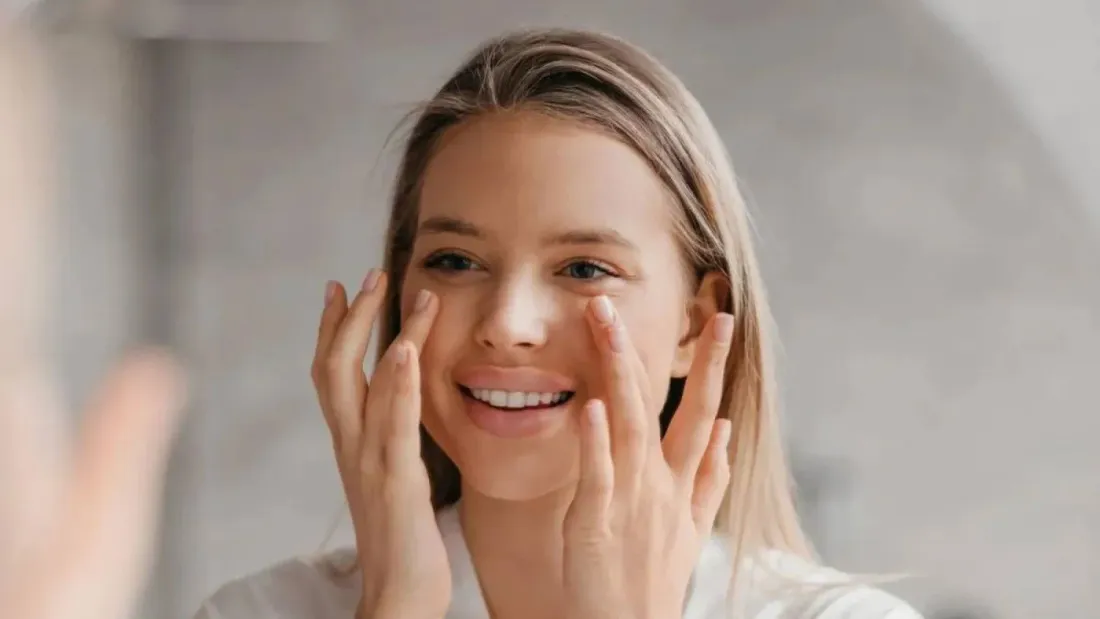
“Do you have ferritin face?” In a TikTok video, a young woman asks this question while pointing to the dark circles under her eyes, pale skin, and brittle hair, alongside before-and-after pictures showing changes following treatment. The content creator attributes these features to her body's iron levels.
The video is part of a growing number of clips and posts on TikTok and Instagram claiming that low ferritin levels—the protein that stores iron in the body—can leave visible signs on the face.
Users on these platforms list symptoms such as pale or grayish skin, dark circles under the eyes, dry or cracked lips, hair loss, and brittle nails. Others share personal photographs that they say reveal noticeable changes in their appearance.
The term “ferritin face” has spread widely across social media, with related videos attracting millions of views. However, doctors emphasize that appearance alone is not enough to diagnose iron deficiency.
Dr. Azeezat Sessay, a primary care physician working in the West Midlands, told BBC News: “Ferritin face is not a medical diagnosis, but it may be an indicator that tells us something is going on.”
She explained that pale skin, hair loss, and brittle nails can accompany low iron levels, but they may also indicate other health conditions.
𝗪𝗵𝗮𝘁 𝗜𝘀 𝗙𝗲𝗿𝗿𝗶𝘁𝗶𝗻?
Ferritin levels reflect the amount of iron stored in the body, whereas hemoglobin is the protein found in red blood cells that carries oxygen. When hemoglobin levels fall, the blood's ability to transport oxygen decreases, resulting in a condition known as anemia.
However, iron stores can become depleted before hemoglobin levels drop. This means that someone can have iron deficiency and experience its symptoms without developing anemia.
“You can have no iron stores whatsoever and still maintain your hemoglobin level. That's where the big discrepancy lies,” consultant hematologist Drew Provan told the BBC.
Sue Pavord, another consultant hematologist, noted that iron deficiency is common and often underdiagnosed in women.
Guidelines from the British Society of Gastroenterology indicate that a ferritin level below 15 micrograms per liter suggests absent iron stores, while a level below 30 micrograms per liter generally indicates depleted iron stores.
Lucy M., 32, who shares content about hair loss through her Instagram and TikTok account, @marvluceskin, said the term “ferritin face” resonated with her because it reflected the changes she had noticed in her appearance.
In 2021, she began experiencing heart palpitations, fatigue, and hair loss. After being told that her blood test results were normal and being diagnosed with generalized anxiety disorder, a subsequent test revealed that her ferritin level was 12 micrograms per liter.
Lucy said her complexion had looked “gray,” while her hair had become dull and brittle.
𝗖𝗮𝗻 𝗟𝗼𝘄 𝗜𝗿𝗼𝗻 𝗟𝗲𝘃𝗲𝗹𝘀 𝗖𝗵𝗮𝗻𝗴𝗲 𝗬𝗼𝘂𝗿 𝗙𝗮𝗰𝗲?
Videos about “ferritin face” often encourage viewers to look for a range of physical signs, from dark circles and pale skin to dry lips, thinning hair, and brittle nails, and then compare these features with their own appearance.
In one video, a content creator points toward the camera and says, “You're not ugly; your ferritin is low.”
However, Provan said it is “impossible” to determine someone's ferritin level based on their facial appearance. He explained that people with severe anemia may have pale skin and that fatigue can contribute to dark circles under the eyes. Nevertheless, he stressed that these visible signs are “subjective and unreliable.”
Pavord added that changes in skin color may be less noticeable in people with darker skin tones. As a result, those specifically looking for the signs circulating online may fail to recognize that they have iron deficiency.
𝗔𝘄𝗮𝗿𝗲𝗻𝗲𝘀𝘀 𝗼𝗿 𝗠𝗶𝘀𝗶𝗻𝗳𝗼𝗿𝗺𝗮𝘁𝗶𝗼𝗻?
For doctors, a person's symptoms and how they feel are more informative than their outward appearance. Provan and Sessay explained that blood tests are important not only for confirming iron deficiency but also for identifying its causes and guiding appropriate treatment.
Several factors can contribute to iron deficiency, including heavy menstrual periods, insufficient dietary iron intake, blood loss from the gastrointestinal tract, and problems with iron absorption in the intestines.
Iron deficiency is usually treated with oral iron supplements. Pavord said iron tablets are best taken on an empty stomach, preferably early in the morning. She also advised avoiding tea and coffee around the time of taking them because these beverages can interfere with iron absorption.
Iron can also be obtained naturally from foods such as meat, beans, lentils, leafy green vegetables, and iron-fortified cereals.
𝗖𝗼𝗺𝗺𝗼𝗻 𝗦𝘆𝗺𝗽𝘁𝗼𝗺𝘀 𝗼𝗳 𝗜𝗿𝗼𝗻 𝗗𝗲𝗳𝗶𝗰𝗶𝗲𝗻𝗰𝘆
- 𝗙𝗮𝘁𝗶𝗴𝘂𝗲 𝗮𝗻𝗱 𝗖𝗵𝗿𝗼𝗻𝗶𝗰 𝗧𝗶𝗿𝗲𝗱𝗻𝗲𝘀𝘀: Persistent low energy and difficulty carrying out normal daily activities.
- 𝗣𝗮𝗹𝗲 𝗦𝗸𝗶𝗻: Noticeable paleness of the skin, the inside of the lower eyelids, the gums, and the lips.
- 𝗦𝗵𝗼𝗿𝘁𝗻𝗲𝘀𝘀 𝗼𝗳 𝗕𝗿𝗲𝗮𝘁𝗵: Difficulty breathing even during mild physical activity or when climbing stairs.
- 𝗥𝗮𝗽𝗶𝗱 𝗼𝗿 𝗣𝗼𝘂𝗻𝗱𝗶𝗻𝗴 𝗛𝗲𝗮𝗿𝘁𝗯𝗲𝗮𝘁: A sensation of a fast or irregular heartbeat as the heart attempts to compensate for reduced oxygen delivery.
- 𝗛𝗲𝗮𝗱𝗮𝗰𝗵𝗲𝘀 𝗮𝗻𝗱 𝗗𝗶𝘇𝘇𝗶𝗻𝗲𝘀𝘀: Recurrent mild headaches or dizziness, particularly when standing up suddenly.
- 𝗖𝗼𝗹𝗱 𝗘𝘅𝘁𝗿𝗲𝗺𝗶𝘁𝗶𝗲𝘀: Persistent coldness in the hands and feet.
𝗦𝗼𝘂𝗿𝗰𝗲: 𝗮𝗮𝘄𝘀𝗮𝘁


