
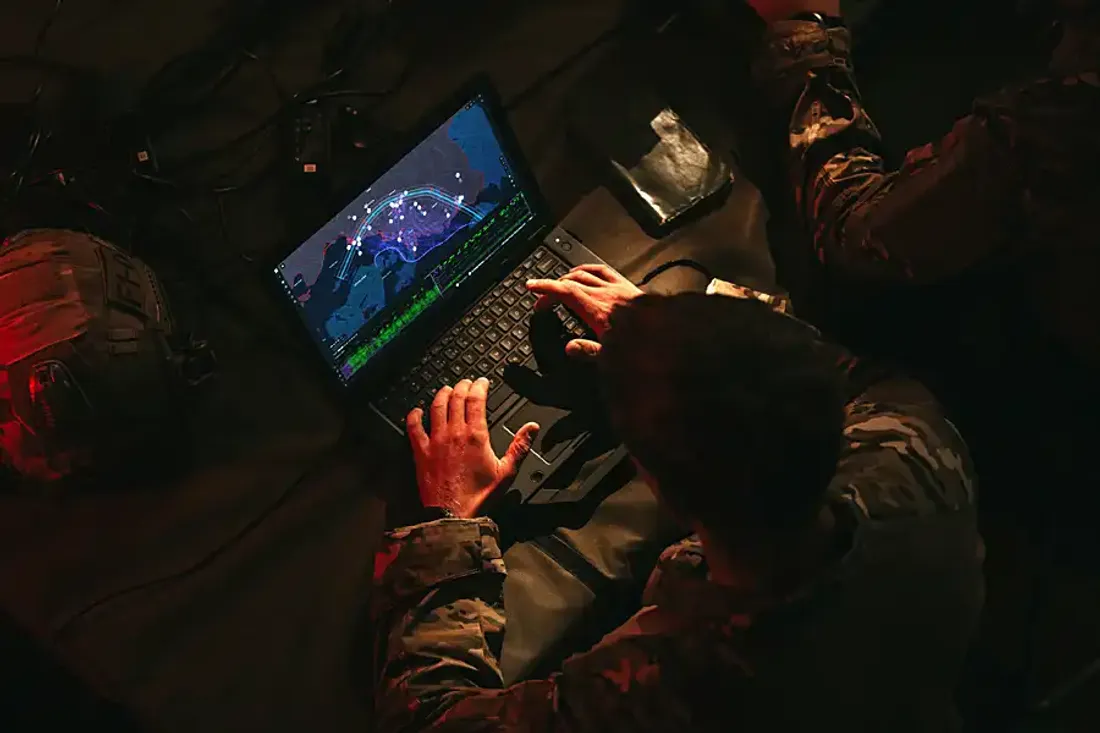
On modern battlefields, the challenge is no longer limited to gathering information from drones, satellites, and sensors. The greater challenge now lies in analyzing this enormous volume of data within a short period and turning it into actionable intelligence that military commanders can use.
In this context, German company Helsing has unveiled a new military artificial intelligence platform called Clarity. The system can analyze multiple intelligence sources, monitor military sites and assets, and identify potential targets for subsequent review by human operators.
The company announced the platform's launch on November 11, 2026, in a move that reflects growing European competition to develop AI systems for military applications and reduce reliance on American defense software.
Information from Multiple Sources
The new platform relies on analyzing data from satellites, drones, sensors, and radar systems, alongside military reports and open-source information.
Helsing says the system can process vast amounts of information simultaneously, linking data from different sources to build a unified intelligence picture of military movements and locations.
Clarity uses hundreds of specialized AI agents working simultaneously to analyze information, detect changes, and connect scattered indicators. This helps accelerate the preparation of intelligence assessments that previously required extensive manual work.
Identifying Military Targets
Clarity's role is not limited to collecting and displaying information; it also analyzes data and compares indicators from independent sources to identify military assets and sites that could represent potential targets.
The company emphasizes that the platform does not rely on a single source to reach its conclusions. Instead, it links available information and presents the supporting evidence, along with confidence levels for its findings, allowing operators to review and verify them before making any decisions.
The platform can also prepare information for relevant military systems and provide recommendations on possible responses to threats, while maintaining a record of decisions and actions taken by users.
A European-Owned System
The launch of Clarity marks Helsing's entry into a market dominated by defense technology companies, most notably US-based Palantir, which offers its Maven system for intelligence analysis and military operational support.
European countries are seeking greater independence in managing their military data and AI systems, particularly as protecting sensitive information and reducing reliance on external suppliers become increasingly important.
Helsing says its platform was developed in Europe and operates on infrastructure owned by the continent, allowing military institutions to retain control over their data, AI models, and operations.
It was also designed to comply with NATO standards.
Has It Entered Military Service?
Despite announcing the launch of Clarity, Helsing has not disclosed the names of any armed forces that have contracted to use the platform, nor has it announced when the system will officially enter operational service.
For now, the most significant development is the introduction of a new European system designed to address one of the growing challenges of modern warfare: managing the enormous flow of information from different reconnaissance sources.
Ultimately, the launch of Clarity reflects a shift in the military technology race. Competition is no longer limited to developing drones and advanced weapons; it has expanded to include AI systems capable of rapidly analyzing intelligence and linking it to military decisions, amid ongoing debate over the accuracy of these systems and human responsibility for the consequences of their use.


