
According to Health, the benefits of spices go beyond adding flavor to food. They are also rich in antioxidants and other compounds that promote health.
Some spices may help maintain healthy blood sugar levels when consumed regularly.
𝗖𝗶𝗻𝗻𝗮𝗺𝗼𝗻
Studies suggest that cinnamon may help regulate blood sugar levels by improving the body's ability to use insulin and increasing glucose uptake from the bloodstream.
In a 2024 study, researchers used a continuous glucose monitoring device to track blood sugar levels throughout the day and assess the effects of cinnamon.
Participants, who had blood sugar levels above the normal range, consumed 4 grams of cinnamon daily for four weeks.
The results showed that their blood sugar levels decreased throughout the day, with a reduction in sudden blood sugar spikes as well.
However, caution is advised. Consuming large amounts of cinnamon or taking cinnamon supplements may interact with diabetes medications. Consult a healthcare provider before taking cinnamon supplements if you have a chronic health condition or are taking certain medications.
𝗚𝗶𝗻𝗴𝗲𝗿
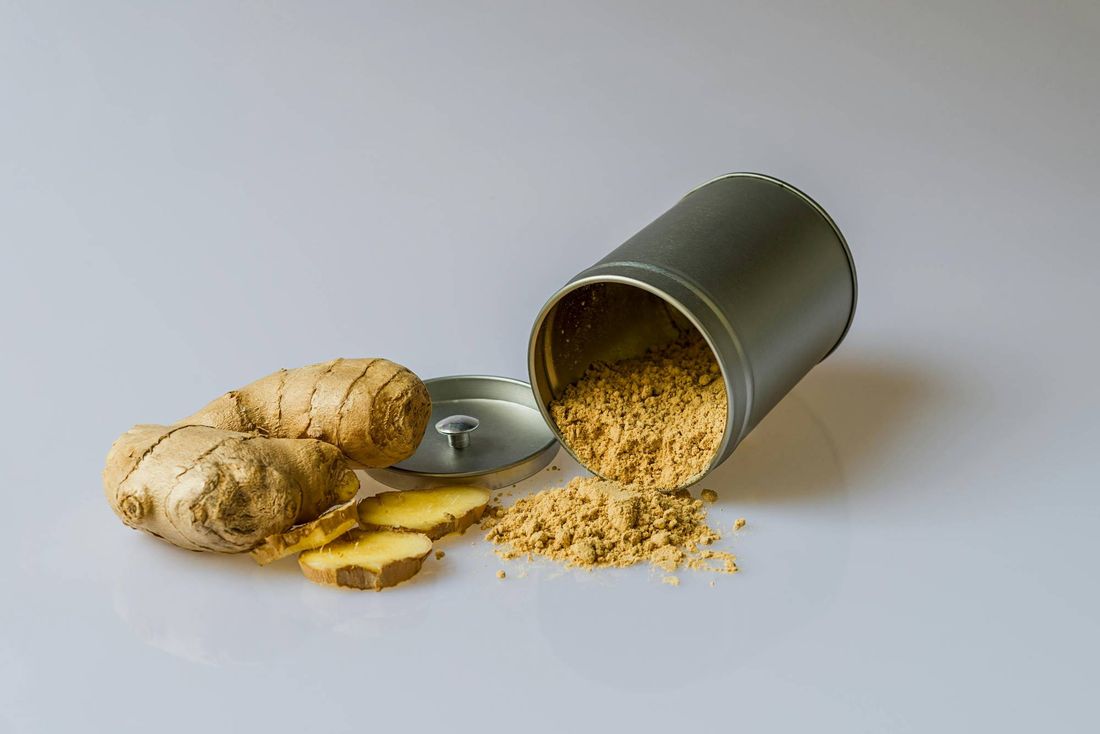
Fresh ginger pieces and ground ginger powder on a wooden surface beside a spoon.
Ginger, whether fresh or used as a spice, is commonly used to help relieve nausea and digestive problems. Studies suggest that it may also help regulate blood sugar levels.
A 2026 research review concluded that ginger may help lower fasting blood sugar levels and glycated hemoglobin (HbA1c), a marker that reflects average blood sugar levels over the previous two to three months.
In the studies reviewed, participants consumed between 1.6 and 3 grams of ginger daily for periods ranging from 8 to 12 weeks.
Ginger supplements may cause side effects such as abdominal discomfort, heartburn, and diarrhea, particularly at high doses. They may also interact with blood-thinning medications and diabetes drugs.
𝗧𝘂𝗿𝗺𝗲𝗿𝗶𝗰
Turmeric contains curcumin, a bioactive compound that gives the spice its yellow color and is associated with numerous health benefits.
Some studies suggest that curcumin supplements may improve fasting blood sugar levels and HbA1c. However, these studies have generally focused on curcumin supplements rather than turmeric used in cooking.
Adding black pepper to turmeric may improve curcumin absorption. A 2024 study found that adding one gram of black pepper and one gram of turmeric to a carbohydrate-containing meal helped lower blood sugar levels after eating. Black pepper alone produced the same result.
Consuming large amounts of turmeric or taking curcumin supplements may cause side effects such as headaches, skin rashes, and digestive disturbances.
𝗙𝗲𝗻𝘂𝗴𝗿𝗲𝗲𝗸
Fenugreek has traditionally been used to address digestive problems, menstrual pain, and diabetes management.
Various studies suggest that fenugreek may help lower blood sugar levels, although the doses and durations of use have varied across studies.
A 2019 study found that consuming 5 grams of fenugreek powder twice daily for eight weeks led to significant improvements in fasting blood sugar and HbA1c levels compared with a placebo group.
Fenugreek may also cause side effects, including diarrhea, nausea, and low blood sugar.
𝗦𝗼𝘂𝗿𝗰𝗲: 𝗮𝗮𝘄𝘀𝗮𝘁


