
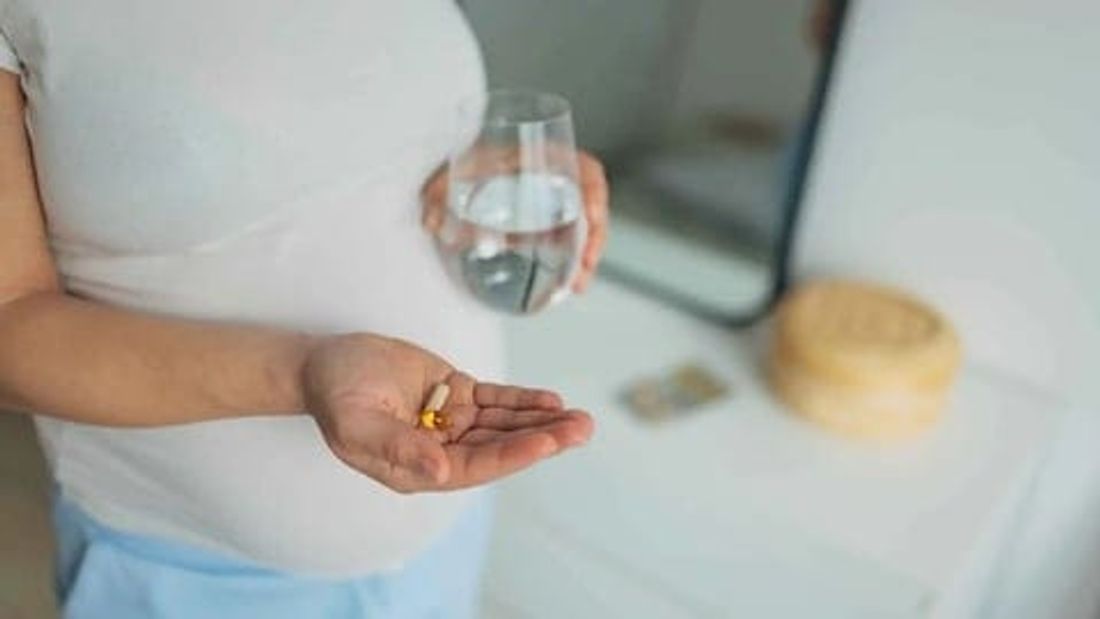
Although iron is essential for maintaining a pregnant woman’s health and supporting fetal development, excessive intake, particularly through dietary supplements without medical supervision, can turn this necessary nutrient into a source of serious health complications.
Iron plays a vital role in producing hemoglobin, the protein responsible for transporting oxygen to the body’s tissues. Iron deficiency, meanwhile, is associated with anemia and an increased risk of premature birth.
According to the medical website Vinmec, the body’s iron requirements increase during pregnancy. The recommended daily intake is generally 27 milligrams, while 45 milligrams is the usual upper limit for adults, unless a doctor prescribes different therapeutic doses.
𝗧𝗵𝗲 𝗥𝗶𝘀𝗸𝘀 𝗼𝗳 𝗘𝘅𝗰𝗲𝘀𝘀𝗶𝘃𝗲 𝗜𝗿𝗼𝗻 𝗜𝗻𝘁𝗮𝗸𝗲
Excessive iron accumulation can damage vital organs, particularly the liver, pancreas, and heart, as a result of the oxidative stress caused by high iron levels in body tissues.
In severe cases, iron imbalances may affect pregnancy health. There are concerns that elevated iron levels may be associated with certain complications, such as low birth weight and premature birth. However, this does not mean that medically prescribed iron supplements cause these outcomes.
𝗪𝗮𝗿𝗻𝗶𝗻𝗴 𝗦𝗶𝗴𝗻𝘀 𝗧𝗼 𝗪𝗮𝘁𝗰𝗵 𝗙𝗼𝗿
Excessive iron intake may cause digestive problems, including nausea, vomiting, abdominal pain, and diarrhea. These symptoms can also occur with regular supplement doses.
Acute iron poisoning, however, can lead to low blood pressure, a rapid heartbeat, altered consciousness, and liver damage, requiring immediate medical intervention.
𝗛𝗼𝘄 𝗖𝗮𝗻 𝗣𝗿𝗲𝗴𝗻𝗮𝗻𝘁 𝗪𝗼𝗺𝗲𝗻 𝗔𝘃𝗼𝗶𝗱 𝗖𝗼𝗺𝗽𝗹𝗶𝗰𝗮𝘁𝗶𝗼𝗻𝘀?
Doctors advise pregnant women not to exceed prescribed doses or combine multiple iron-containing supplements without consulting their healthcare provider. They also recommend undergoing the necessary blood tests to determine individual iron requirements.
If an iron overdose is suspected, medical assistance should be sought immediately. Attempting to treat the condition at home with coffee or fiber-rich foods is not advisable, as these measures do not treat iron poisoning.
𝗦𝗼𝘂𝗿𝗰𝗲: 𝗘𝗿𝗲𝗺 𝗡𝗲𝘄𝘀


