
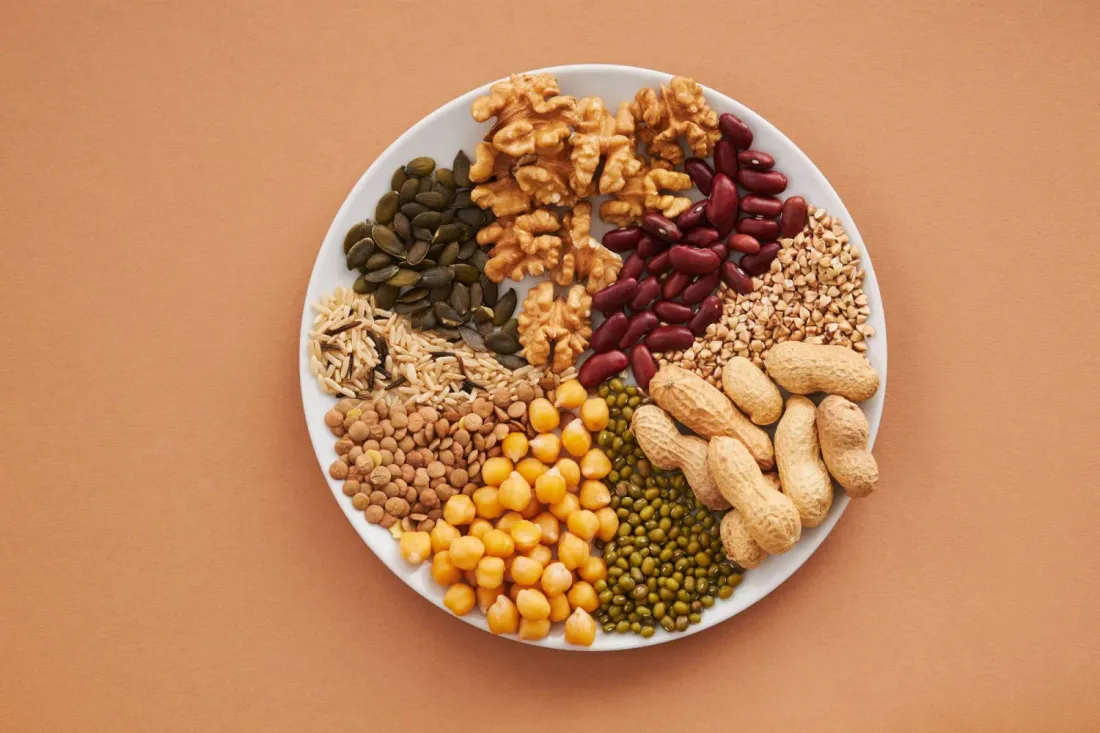
The Longevity Diet is based primarily on plant-based foods and aims, according to its proponents, to slow the aging process and help people live longer. It emphasizes legumes, whole grains, vegetables, nuts, olive oil, and fish, while limiting red and processed meats, refined carbohydrates, and sugars, according to Everyday Health.
Supporters believe this diet may help extend lifespan while reducing the risk of certain chronic conditions, including heart disease and type 2 diabetes.
𝗛𝗼𝘄 𝗗𝗼𝗲𝘀 𝘁𝗵𝗲 𝗟𝗼𝗻𝗴𝗲𝘃𝗶𝘁𝘆 𝗗𝗶𝗲𝘁 𝗪𝗼𝗿𝗸?
Valter Longo, PhD, director of the Longevity Institute at the University of Southern California and author of The Longevity Diet, developed this dietary approach after reviewing hundreds of studies examining the relationship between nutrition and lifespan.
Longo explains: “By drawing on epidemiological studies and clinical trials, we brought together all the research to develop a comprehensive picture of a safe, beneficial diet associated with living longer.”
The diet combines healthy eating habits with what is known as a “fasting-mimicking diet.” It involves consuming moderate to relatively high amounts of unrefined carbohydrates, such as brown rice instead of white rice, alongside adequate—but relatively low—amounts of plant-based protein. Approximately 30% of daily calories should come from plant-based fats, such as those found in nuts and olive oil.
Longo stresses that the goal is not to follow a passing dietary trend that may lose popularity after a month or two. He explains: “I try to move away from temporarily popular opinions and instead focus on a comprehensive strategy built on several fundamental principles that can remain valid and effective for 20 years.”
Longo recommends consuming all daily meals within an 11- to 12-hour window, alongside following a fasting-mimicking diet for five days every three to four months.
The fasting-mimicking diet involves following a strict plant-based eating plan while restricting daily calorie intake to between 800 and 1,100 calories.
Dr. David Katz, president of the True Health Initiative and founding director of the Yale University Prevention Research Center, describes the approach as follows: “It can be characterized as a hybrid diet combining the different nutritional characteristics of the Blue Zones, where people tend to live longer. It is primarily plant-based, relatively low in protein, minimizes animal foods, emphasizes fatty fish and seafood, and incorporates ‘fasting mimicry’ by restricting both the timing and quantity of food intake.”
𝗪𝗵𝗶𝗰𝗵 𝗙𝗼𝗼𝗱𝘀 𝗔𝗿𝗲 𝗔𝗹𝗹𝗼𝘄𝗲𝗱 𝗼𝗻 𝘁𝗵𝗲 𝗟𝗼𝗻𝗴𝗲𝘃𝗶𝘁𝘆 𝗗𝗶𝗲𝘁?
For adults without a history of eating disorders who have received approval from their healthcare team, the following lists outline the foods this diet encourages, recommends limiting, or advises avoiding.
𝗙𝗼𝗼𝗱𝘀 𝗧𝗼 𝗘𝗮𝘁
* Legumes.
* Nuts.
* Seeds.
* Olive oil.
* Whole grains.
* Fruits.
* Vegetables.
* Low-mercury seafood, once or twice a week.
𝗙𝗼𝗼𝗱𝘀 𝗧𝗼 𝗟𝗶𝗺𝗶𝘁
* Poultry.
* Dairy products.
* Eggs.
* Dark chocolate, as an occasional treat in small quantities, such as three squares.
𝗙𝗼𝗼𝗱𝘀 𝗧𝗼 𝗔𝘃𝗼𝗶𝗱
* Refined foods.
* Red meat.
* Processed foods.
* Added sugar.
* Alcohol.
* Foods high in sodium.
𝗪𝗵𝗮𝘁 𝗔𝗿𝗲 𝘁𝗵𝗲 𝗣𝗼𝘁𝗲𝗻𝘁𝗶𝗮𝗹 𝗛𝗲𝗮𝗹𝘁𝗵 𝗕𝗲𝗻𝗲𝗳𝗶𝘁𝘀?
1\. 𝗜𝘁 𝗠𝗮𝘆 𝗛𝗲𝗹𝗽 𝗣𝗿𝗼𝗺𝗼𝘁𝗲 𝗟𝗼𝗻𝗴𝗲𝘃𝗶𝘁𝘆
A 2026 study suggests that high-quality plant-based diets are associated with a lower risk of type 2 diabetes and cardiovascular disease, as well as a reduced risk of death.
However, Dr. Katz points out that no interventional studies or randomized controlled trials have measured the effect of the Longevity Diet itself on actual human lifespan.
2\. 𝗜𝘁 𝗠𝗮𝘆 𝗦𝘂𝗽𝗽𝗼𝗿𝘁 𝗛𝗲𝗮𝗿𝘁 𝗛𝗲𝗮𝗹𝘁𝗵
Research consistently shows that eating more fruits and vegetables is associated with a lower risk of heart disease.
Eating non-fried seafood once or twice a week may also help promote cardiovascular health.
3\. 𝗜𝘁 𝗠𝗮𝘆 𝗥𝗲𝗱𝘂𝗰𝗲 𝘁𝗵𝗲 𝗥𝗶𝘀𝗸 𝗼𝗳 𝗧𝘆𝗽𝗲 𝟮 𝗗𝗶𝗮𝗯𝗲𝘁𝗲𝘀
Increasing vegetable intake while reducing red and processed meat consumption may help lower the risk of developing type 2 diabetes.
𝗪𝗵𝗮𝘁 𝗔𝗿𝗲 𝘁𝗵𝗲 𝗣𝗼𝘁𝗲𝗻𝘁𝗶𝗮𝗹 𝗥𝗶𝘀𝗸𝘀 𝗼𝗳 𝘁𝗵𝗲 𝗟𝗼𝗻𝗴𝗲𝘃𝗶𝘁𝘆 𝗗𝗶𝗲𝘁?
1\. 𝗜𝘁 𝗠𝗮𝘆 𝗜𝗻𝗰𝗿𝗲𝗮𝘀𝗲 𝘁𝗵𝗲 𝗥𝗶𝘀𝗸 𝗼𝗳 𝗘𝗮𝘁𝗶𝗻𝗴 𝗗𝗶𝘀𝗼𝗿𝗱𝗲𝗿𝘀
Registered dietitian Christine M. Palumbo, based in Chicago, warns about the strict restrictions imposed by this diet, stating: “This diet is highly restrictive and may pose a risk to people with eating disorders, such as anorexia nervosa or orthorexia.”
Orthorexia refers to an excessive preoccupation with the quality of one's diet that negatively affects overall health and well-being.
2\. 𝗜𝘁 𝗜𝘀 𝗡𝗼𝘁 𝗦𝘂𝗶𝘁𝗮𝗯𝗹𝗲 𝗳𝗼𝗿 𝗖𝗵𝗶𝗹𝗱𝗿𝗲𝗻 𝗮𝗻𝗱 𝗔𝗱𝗼𝗹𝗲𝘀𝗰𝗲𝗻𝘁𝘀
Children and adolescents need more calories than many adults to support normal growth and development.
For this reason, restrictive diets during these stages of life are considered a major risk factor for eating disorders.
3\. 𝗜𝘁 𝗠𝗮𝘆 𝗕𝗲 𝗨𝗻𝘀𝗮𝗳𝗲 𝗗𝘂𝗿𝗶𝗻𝗴 𝗣𝗿𝗲𝗴𝗻𝗮𝗻𝗰𝘆 𝗮𝗻𝗱 𝗕𝗿𝗲𝗮𝘀𝘁𝗳𝗲𝗲𝗱𝗶𝗻𝗴
Reduced protein intake and calorie restriction during the fasting-mimicking phase may make it difficult for women to meet their increased nutritional needs during pregnancy or breastfeeding.
𝗦𝗼𝘂𝗿𝗰𝗲: 𝗔𝗮𝘄𝘀𝗮𝘁


