
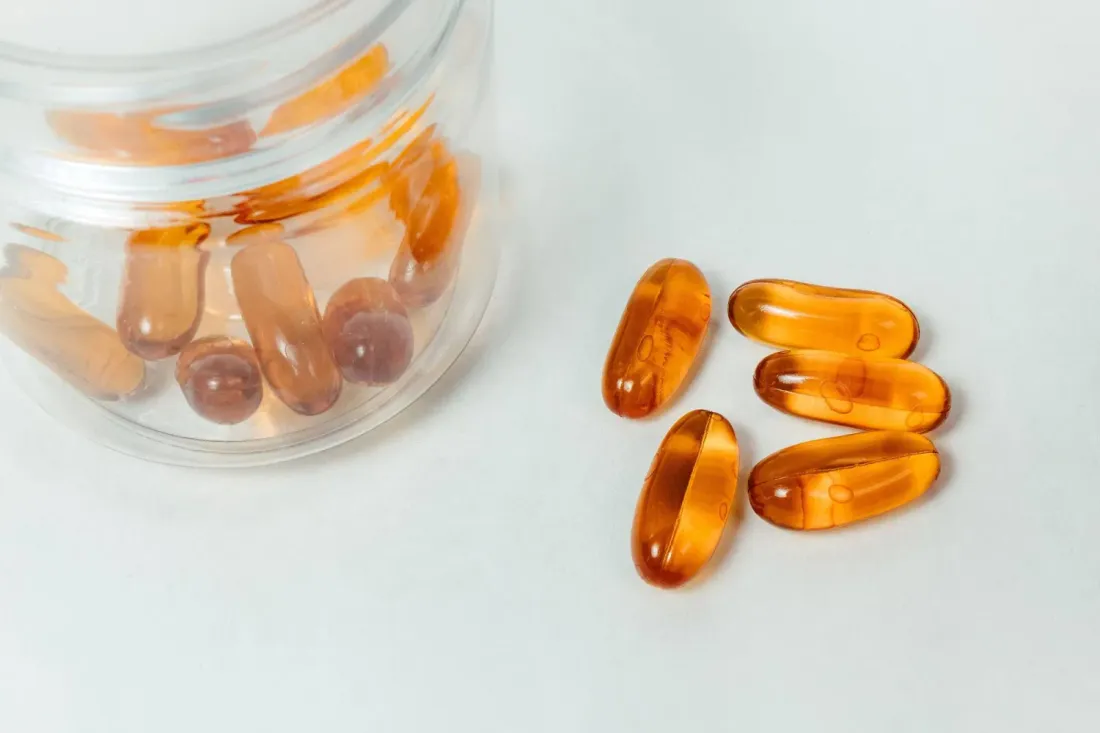
Months with limited exposure to sunlight can make it more difficult to get enough vitamin D. If you take vitamin D supplements, consuming them with a meal containing fat may help your body absorb the vitamin more efficiently and maintain the levels needed to support normal brain function, according to Health.
Take It with Your Main Meal of the Day
Vitamin D is a fat-soluble vitamin, so taking it with a main meal containing fat helps the body absorb it more effectively, potentially maximizing its benefits for brain health.
A 2019 study examined the cognitive effects of vitamin D supplementation in postmenopausal women who had low levels of the vitamin.
The study found that taking a daily dose of 2,000 international units (IU) helped improve visual memory, working memory, and learning ability, while higher doses were associated with greater adverse effects.
As part of the study, researchers recommended that participants take their vitamin D supplements with their main meal of the day to ensure optimal absorption.
Foods rich in healthy fats that are recommended alongside vitamin D to enhance its absorption include:
* Avocados.
* Olive oil.
* Nuts and seeds.
* Fatty fish, such as salmon.
Take It in the Afternoon
The body naturally produces vitamin D when the skin is exposed to sunlight. Sunlight reaches its peak around midday, generally between 10 a.m. and 4 p.m., depending on the season and geographical location.
Taking vitamin D supplements around midday may help mimic or support the body's natural rise in vitamin D levels during this period, particularly among people who do not get enough sunlight.
The liver may also process vitamin D more efficiently at this time of day.
Increasing vitamin D levels around midday may help support the body's production of melatonin, a hormone that promotes healthy sleep patterns and may improve sleep quality.
Given the importance of sleep for brain health and mood, taking vitamin D to support sleep may indirectly contribute to improved mood.
Some studies also suggest that taking vitamin D around midday may affect serotonin levels, a hormone that helps regulate mood and sleep.
However, further research is still needed to confirm the effects of vitamin D and the timing of its intake on sleep and mood.
Take It Before and During the Winter Months
Exposure to sunlight decreases during the winter months, leading to a reduction in the body's natural production of vitamin D.
Low levels of this vitamin have been linked to decreased serotonin levels, which may affect mood and contribute to depression or seasonal affective disorder (SAD).
Therefore, taking vitamin D supplements before winter begins and throughout the season may help build up the body's reserves of the vitamin and maintain them during months with fewer daylight hours.
However, research findings on the use of vitamin D as a standalone treatment for seasonal affective disorder remain mixed. Some studies have found that it may be as effective as light therapy, while others have found no effect.


